
Physical Therapy — Neck
Neck pain relief that gets you moving again.
If checking your blind spot, scrolling too long, or a headache that creeps up from your neck has become a regular thing, you're dealing with one of the most common complaints we see. We start by ruling out anything urgent, then build a plan to get your neck moving freely again.
Understanding Your Pain
What's actually causing your neck pain?
From the way you sleep to the hours you spend hunched over a screen, plenty of everyday habits can leave your neck stiff and sore. Less common but still frequent culprits include whiplash from an accident, a cervical disc irritating a nerve, or arthritis narrowing the space around your spinal cord.
Poor Posture & Tech Neck
The average adult head weighs about 10-12 pounds, and every inch it tips forward multiplies the load on your neck. Hours on a phone or laptop each day adds up fast.
Muscle Strain & Tension
A rough night's sleep, a stressful week, or overusing muscles you don't normally rely on can leave your neck and shoulders locked up and slow to release.
Whiplash & Trauma
The rapid back-and-forth motion in a car accident, a fall, or a hard hit during sports can strain the neck's muscles and ligaments beyond what they're built to absorb.
Herniated or Bulging Disc
A cervical disc that bulges or ruptures can press on a nearby nerve root, sending pain, numbness, or tingling down into the shoulder, arm, or hand.
Cervical Arthritis & Spinal Stenosis
Wear and tear on the joints of the neck narrows the space where nerves exit the spine, which can bring on stiffness and nerve-related symptoms as we age.
Degenerative Disc Disease
Cervical discs naturally lose height and cushioning over the years, and a thinner disc means less shock absorption and a stiffer neck.
A Common Overlap
When neck pain causes headaches.
Headaches that start in the neck, known as cervicogenic headaches, are one of the most common things we see alongside neck pain, and one of the most overlooked. Here's how to tell the two apart.
Likely Neck-Related
Cervicogenic Headache
Starts at the base of the skull or settles on one side
Flares up with certain neck positions or after long stretches at a desk
Comes with neck stiffness or a smaller range of motion
Moving or pressing on the neck reproduces the pain
For Comparison
Typical Migraine
Often affects the whole head, or throbs behind one eye
Comes with nausea, light sensitivity, or visual aura
Isn't tied to a specific neck position or posture
Neck movement doesn't typically change the pain
Next Steps
What to do about it.
A short list of what to try first, and the warning signs that mean this needs more than at-home care.
What to do about it.
- 1
Rule out the red flag symptoms first (see Red Flag Symptoms) before treating this as a run-of-the-mill stiff neck.
- 2
Cut back on whatever's aggravating it, especially long stretches of looking down at a phone or screen, but don't stop moving your neck altogether.
- 3
Ice or heat, whichever feels better, can help take the edge off in the meantime.
- 4
See a physical therapist. It's the recommended first-line treatment for neck pain and works well whether this is a new problem or one that keeps coming back.
Red flag symptoms.
Numbness, tingling, or weakness spreading down both arms or into your hands
Loss of coordination, balance problems, or a sudden change in handwriting or hand dexterity
Dizziness, double vision, slurred speech, or trouble swallowing when you move your neck
Changes in bowel or bladder function
Severe neck pain following a fall, car accident, or other trauma
A sudden, severe headache unlike any you've had before
Unexplained weight loss, fever, or a history of cancer
Seek immediate medical care if you are experiencing any of the symptoms above.
Our Approach
Physical therapy treatment for neck pain.
A licensed physical therapist starts with a full evaluation of your neck, your posture, and the movements that trigger your symptoms, then builds a treatment plan around what they find rather than a one-size-fits-all routine.
Manual Therapy
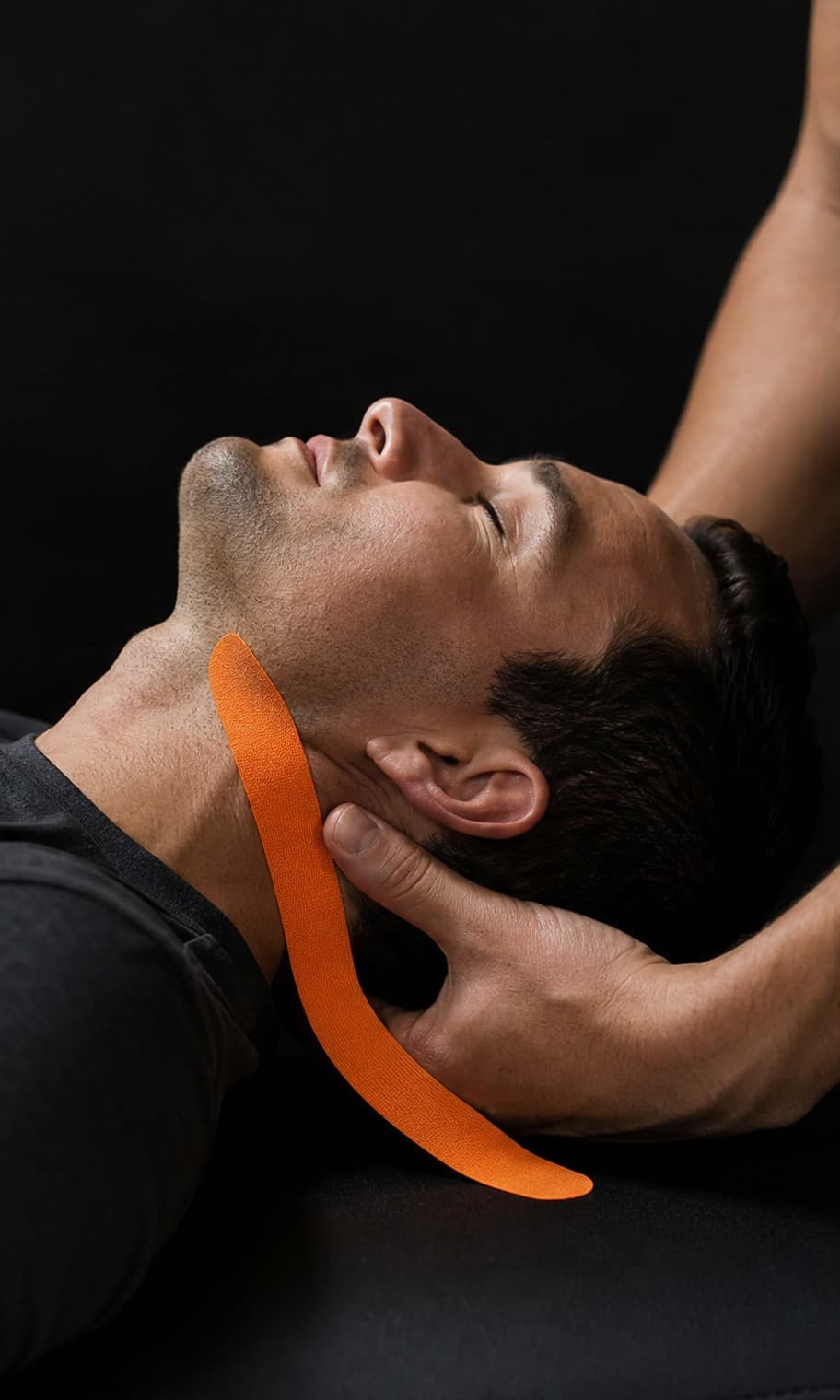
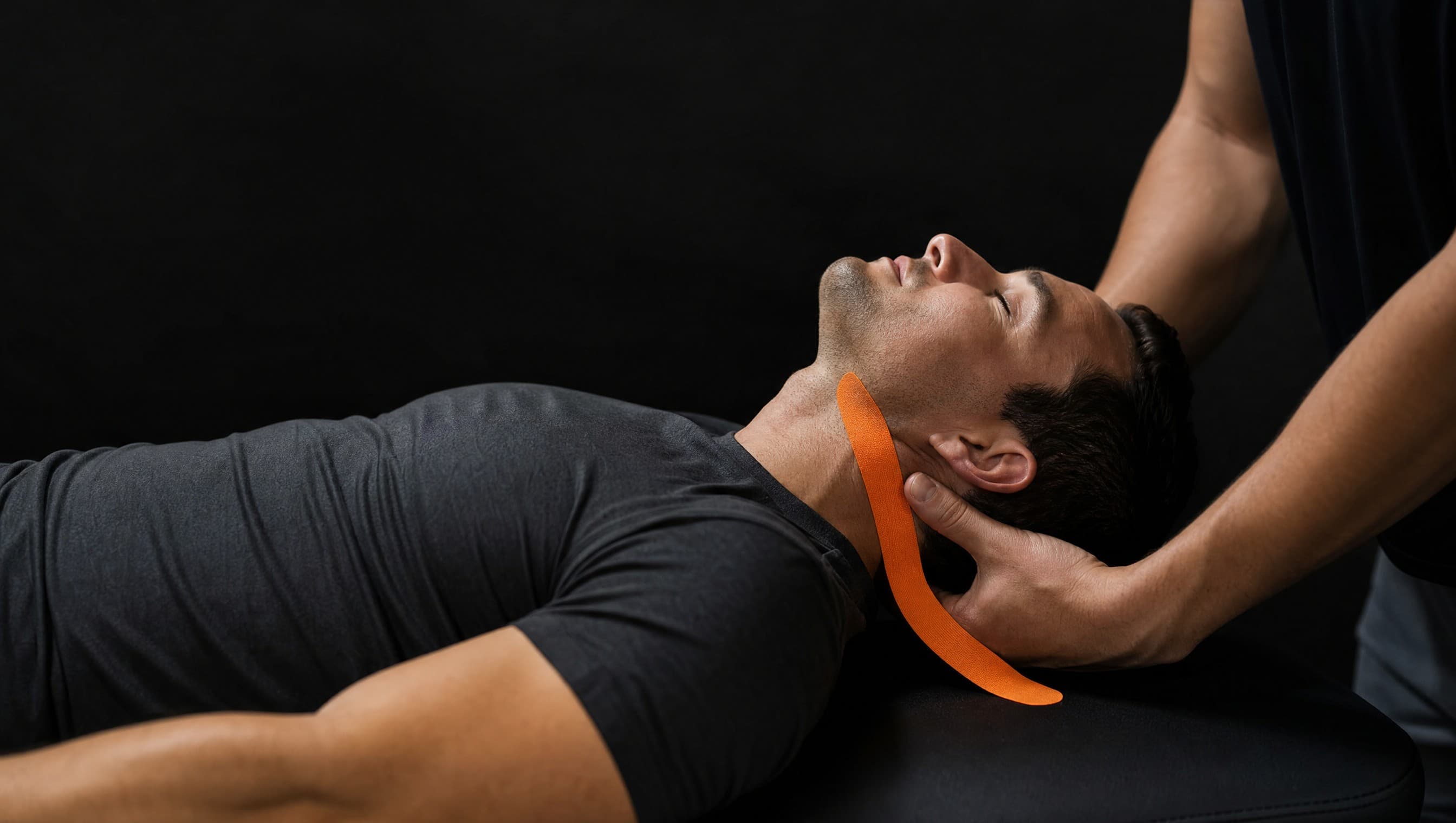
Hands-on mobilization of the cervical joints and surrounding soft tissue to ease stiffness and restore rotation.
Exercise Therapy
Targeted strengthening for the deep neck flexors and upper back to support your head and take pressure off the spine.
Education
Guidance on posture, workstation setup, and daily habits to prevent the next flare-up.
Adjunct Therapies
Techniques such as cervical traction, cupping, and dry needling to take pressure off irritated nerves and speed things along.
When To See A Doctor
If your neck pain follows a fall, car accident, or other trauma, get evaluated right away rather than waiting to see if it improves on its own. The same goes for numbness, tingling, or weakness spreading down both arms, sudden problems with balance or coordination, dizziness or trouble swallowing when you move your neck, or any change in bowel or bladder function. Those call for a physician's attention before physical therapy.
FAQ
Common neck pain questions.

Neck Rehab
Start your neck recovery today.
Get on the schedule and start working with a physical therapist who treats your neck, not a textbook diagnosis.