
Physical Therapy — Low Back
Low back pain relief that gets you back to life.
Muscle strains, poor posture, herniated discs, one too many hours at a desk — low back pain has a lot of possible causes, and most of them respond to the same first move: physical therapy. We'll help you rule out red flags, calm the pain down, and rebuild the strength that keeps it from coming back.
Understanding Your Pain
What's actually causing your low back pain?
Low back pain can come from muscle strains, poor posture, heavy lifting, injuries, and age-related changes in the spine. Conditions like herniated discs, arthritis, and spinal stenosis can also contribute to pain and stiffness.
Muscle Strain & Overuse
Heavy lifting, sudden movements, and repetitive strain are the most common triggers of acute low back pain.
Poor Posture & Prolonged Sitting
Long hours at a desk, poor ergonomics, and inactivity place ongoing stress on the lower back and surrounding muscles.
Herniated Disc
When a spinal disc bulges or ruptures, it can irritate nearby nerves and cause pain that radiates into the leg.
Arthritis & Spinal Stenosis
Age-related changes in the spine's joints and canal space can create stiffness, pain, and nerve compression over time.
Excess Body Weight
Additional load on the lumbar spine from excess body weight raises the risk of pain, injury, and slower recovery.
Injury
Falls, sports injuries, and accidents can directly damage the muscles, discs, or joints of the lower back.
Next Steps
What to do about it.
Start here — and know the signs that mean you should see a doctor first.
What to do about it.
- 1
First, make sure you're not experiencing any red flag symptoms (see Red Flag Symptoms).
- 2
For acute low back pain, temporarily avoid aggravating activities, encourage gentle non-painful movement, and maintain a positive mindset.
- 3
Use ice and/or heat as needed to take the edge off while you get moving again.
- 4
Physical therapy is a first-line treatment for low back pain — acute and chronic. It can decrease symptoms, improve strength and function, and prevent recurrence.
Red flag symptoms.
Numbness or tingling in the groin (saddle area)
Changes in bowel or bladder function
Unexpected weight loss
Fever, chills, or unexplained illness
Numbness, tingling, or weakness in your legs
Seek immediate medical care if you are experiencing any of the symptoms above.
Our Approach
Physical therapy treatment for low back pain.
Treatment begins with a comprehensive evaluation by a licensed physical therapist, who adjusts your plan week to week based on how your body actually responds.
Manual Therapy
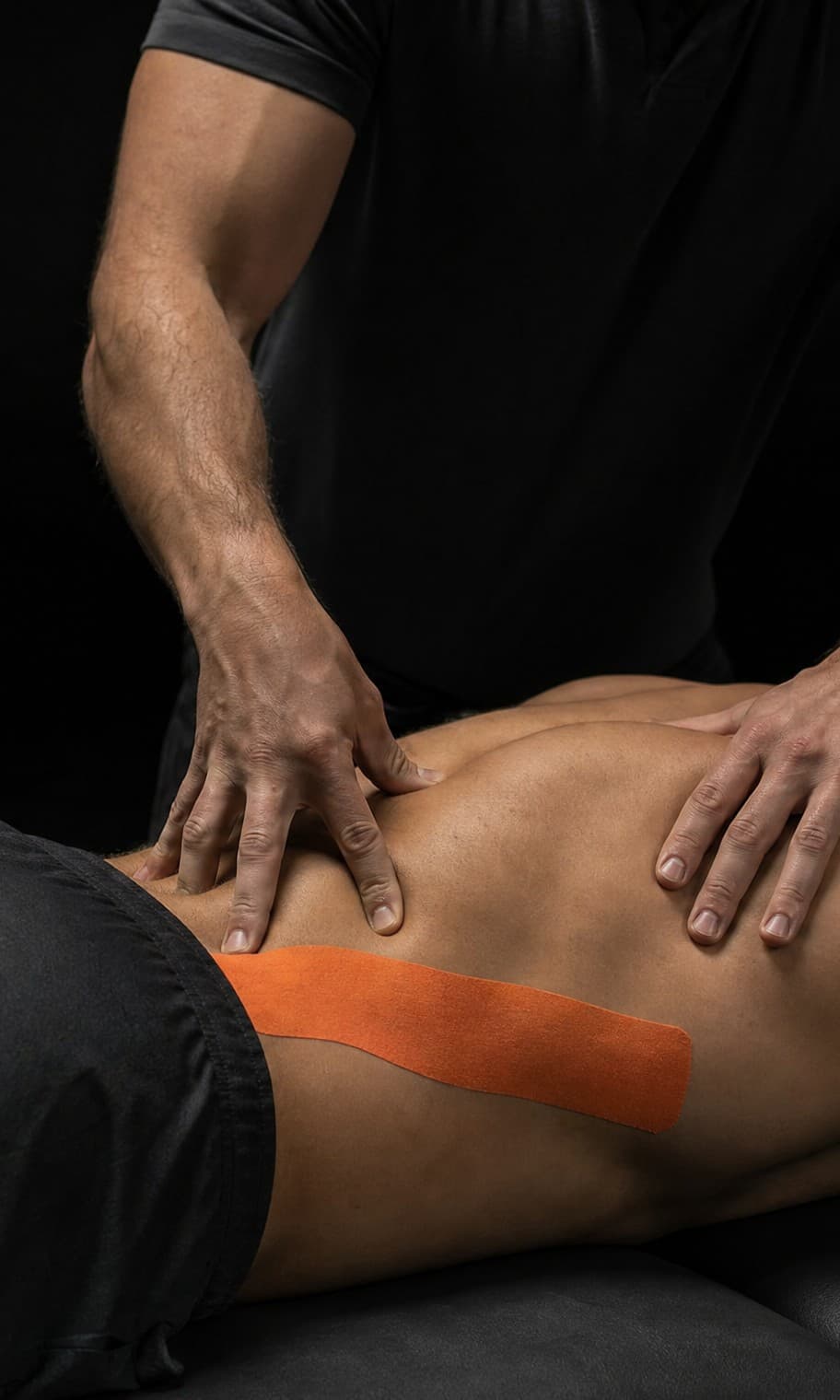
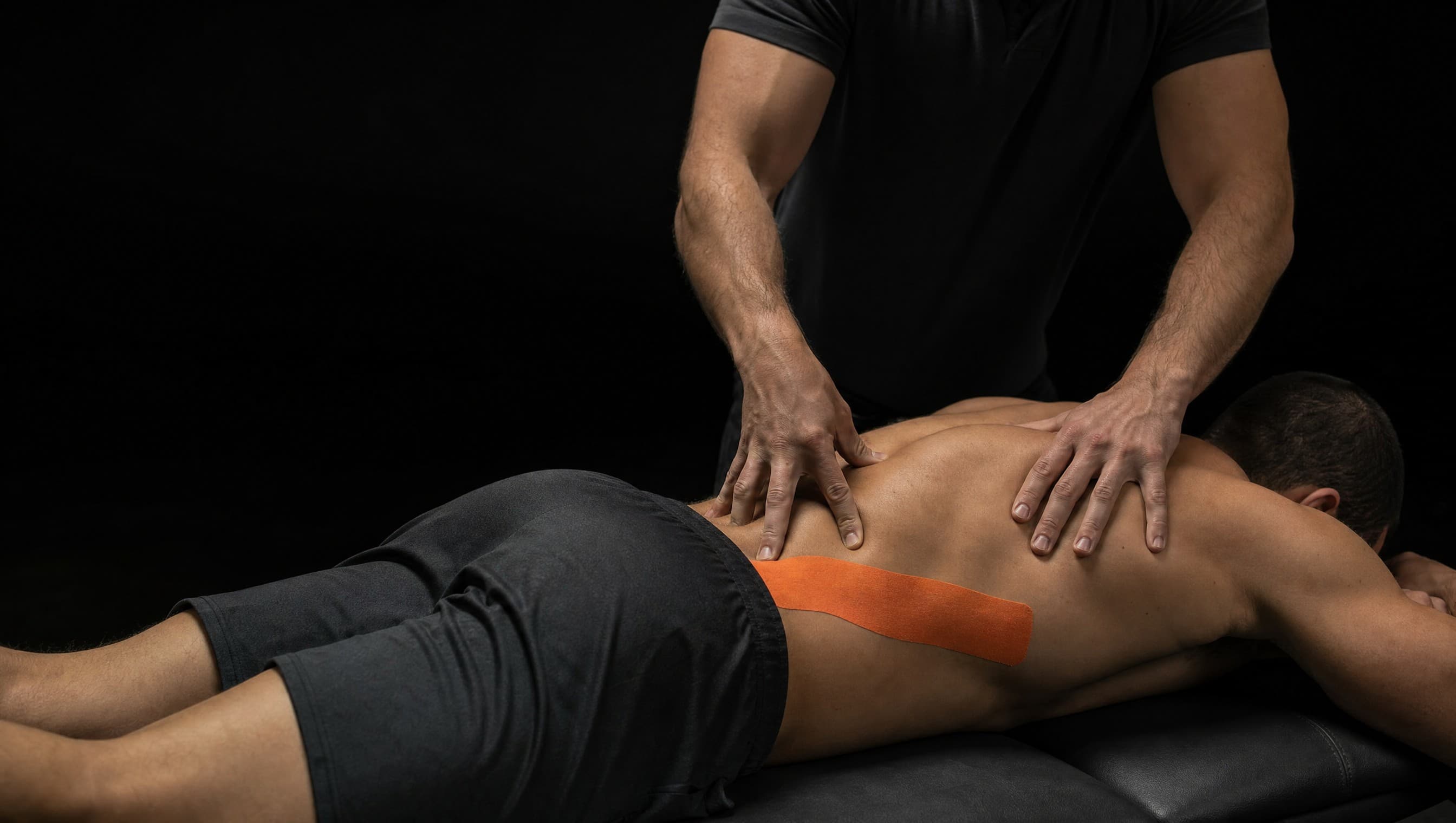
Hands-on techniques to reduce pain, improve mobility, and restore proper movement.
Exercise Therapy
Targeted exercises to build strength, improve flexibility, and support long-term recovery.
Education
Guidance on posture, body mechanics, and lifestyle changes to prevent future flare-ups.
Adjunct Therapies
Techniques such as cupping and dry needling to reduce pain and promote healing.
When To See A Doctor
Seek immediate medical care if you're experiencing groin (saddle area) numbness, changes in bowel or bladder function, or unexplained weight loss. Seek urgent evaluation from a physician or physical therapist if you're experiencing numbness, tingling, or weakness in your legs.
FAQ
Common low back pain questions.

Low Back Rehab
Start your low back recovery today.
Book your first session and start working with a PT who builds your plan around your body, not a generic protocol.