
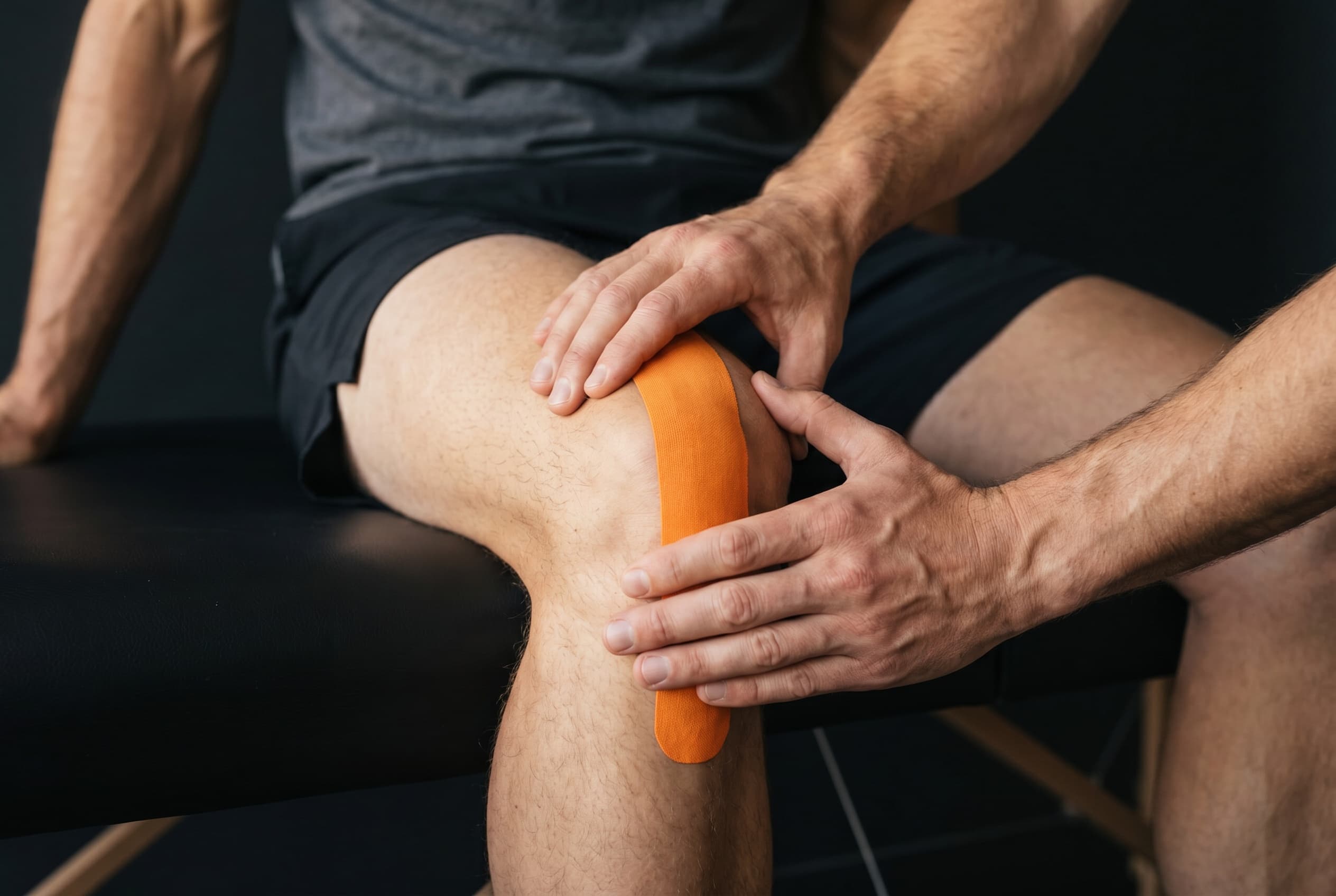
Physical Therapy — Knee
Knee pain relief, one-on-one from day one.
A torn ACL, an aggravated meniscus, runner's knee, or the slow wear of osteoarthritis — no matter the injury, the starting point is the same: real time with a licensed physical therapist who can figure out what's actually driving your pain. A full hour, one-on-one, no shared sessions or generic protocols.
Understanding Your Pain
What's actually causing your knee pain?
Knee pain can come from overuse, injury or trauma, and age-related changes to the joint. Just as often, it starts somewhere else entirely, with weakness or stiffness at the ankle, foot, or hip showing up as knee pain.
Overuse & Repetitive Strain
A sudden jump in running mileage, a heavy training block, or an in-season sport schedule can overload the knee faster than it can adapt.
Injury & Trauma
ACL tears, meniscus tears, and fractures are among the most common traumatic knee injuries, often from a sudden pivot, direct hit, or awkward landing.
Age-Related Cartilage Changes
Cartilage naturally wears down over time, and changes to the joint surface can bring on stiffness, swelling, and pain, especially with activity.
Weakness Elsewhere in the Chain
Knee pain often isn't just a knee problem. Strength or mobility deficits at the ankle, foot, or hip can quietly overload the knee until it's the one that hurts.
What We Treat
Common knee conditions we treat.
Patellofemoral Pain Syndrome (PFPS)
Commonly called runner's knee, PFPS causes pain at the joint between the kneecap and thigh bone, often worse with running, squatting, or stairs.
Patellar Tendinopathy
Known as jumper's knee, this overuse condition affects the tendon just below the kneecap and is common in sports with repetitive jumping or sprinting.
Osteoarthritis
A degenerative condition, often age-related, leading to cartilage loss and a narrower joint space, which brings on stiffness and pain with movement.
Post-Operative Rehab
Structured rehabilitation after total knee replacement, ACL or other ligament reconstruction, meniscus repair, and more, built around the specific protocol from the surgeon.
Next Steps
What to do about it.
A short list of what to try first, and the warning signs that mean this needs more than at-home care.
What to do about it.
- 1
Rule out the red flag symptoms first (see Red Flag Symptoms) before assuming this is a routine ache.
- 2
Modify whatever's overloading the knee, like running mileage or training volume, but keep moving within a pain-free range.
- 3
Physical therapy is one of the most evidence-based, effective first-line treatments for knee pain of any cause, whether it's overuse, injury, or post-surgical.
- 4
One-on-one care makes the difference: a licensed physical therapist can spend the full session pinpointing exactly what's driving the pain, including issues at the ankle, foot, or hip, rather than running a generic program.
Red flag symptoms.
A significant fall or other trauma to the knee
Inability to bear weight on the injured leg
Numbness or tingling in the leg
The knee buckling or giving way
Significant calf tenderness and swelling
Seek immediate medical care if you are experiencing any of the symptoms above.
Our Approach
Physical therapy treatment for knee pain.
Every session is spent one-on-one with a licensed physical therapist, not shared between patients or handed off to an aide. That's what makes it possible to catch the ankle, foot, or hip issue quietly driving the knee pain, instead of just treating the knee in isolation.
Manual Therapy
Hands-on treatment to decrease pain and improve mobility, opening a window for pain-free movement.
Stretching & Mobility
Targeted stretching and range-of-motion work to restore the movement the knee has lost.
Strengthening & Stability
Progressive strengthening and neuromuscular control work to increase joint support and stability.
Functional Activity Training
Training built around the specific activities that matter most, so you can get back to doing what you love.
When To See A Doctor
Seek medical evaluation if the knee pain follows a significant fall, if you're unable to bear weight on the injured leg, or if you notice numbness or tingling in the leg, the knee buckling or giving way, or significant calf tenderness and swelling.
Surgical Evaluation
Need to see a surgeon first?
If the knee injury requires surgical evaluation, our partners at BONE DRs are right upstairs. We'll coordinate everything.
FAQ
Common knee pain questions.

Knee Rehab
Start your knee recovery today.
Book your first session and start working one-on-one with a PT who builds your plan around your knee, not a generic protocol.