
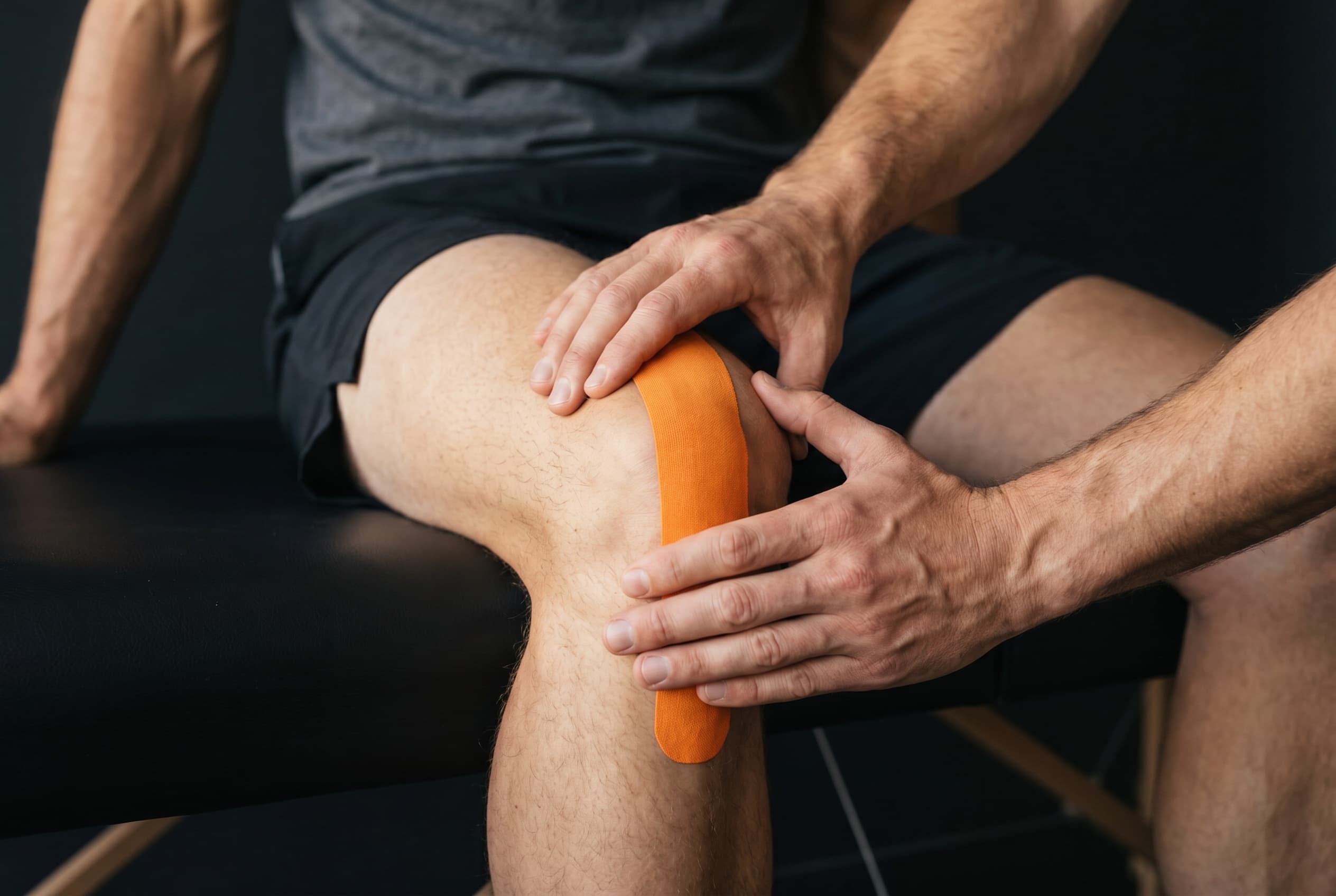

Most people think physical therapy starts after surgery; however, the patients who recover best usually start before it.
That head start has a name: prehab. If you have a knee, hip or shoulder surgery on the calendar, the weeks before your surgery date are some of the most useful weeks of your whole recovery. Here is what prehab is, what the research says, and what it looks like at Recover + Perform.
What prehab actually is
Prehab is physical therapy before an operation. The goal is simple: walk into surgery with the strongest, calmest, best-moving body you can.
That matters because you come out of surgery with whatever you went in with, minus a few weeks. A quad that is already shut down gets harder to wake up after an ACL repair. A stiff shoulder gets stiffer after a rotator cuff repair. Prehab fixes what can be fixed now, while the joint is still yours to work with.
It also does something less obvious. You meet your physical therapist, learn your first post-op exercises, and set up your home before the day you can barely stand. Recovery starts on a plan you already know.
What the research says
This is not a trend. Two findings stand out.
For hip and knee replacements, a study of 4,733 Medicare patients published in the Journal of Bone & Joint Surgery found that 54.2% of patients who had physical therapy before surgery needed post-surgery care like a nursing facility or home health, compared with 79.7% of those who did not. After adjusting for other health factors, prehab was tied to a 29% drop in that care. Most of those patients had only one or two sessions.
For ACL reconstruction, researchers compared athletes who did extended prehab, including progressive strength and neuromuscular training, with a large group who did not. Two years after surgery, the prehab group returned to their pre-injury sport at a higher rate: 72% versus 63%. A Norwegian study found the same pattern in patient-reported knee function at two years.
The takeaway: what you build before surgery shows up long after it.
What we work on before your surgery date
Prehab is not a generic workout. Your plan depends on the surgery and on what your evaluation shows. Common targets:
- Before ACL or meniscus surgery: calming swelling, getting the knee fully straight, waking up the quad, and walking without a limp. A knee that goes into surgery quiet and straight is easier to rehab coming out.
- Before a total knee or hip replacement: building leg strength, practicing the exact exercises you will do in week one, and rehearsing stairs, the car and the bathroom so the first days home feel familiar.
- Before rotator cuff or shoulder surgery: keeping the motion you have, strengthening the muscles around the shoulder blade, and learning how to sleep, dress and move in a sling.
For every patient, we also set a baseline. Strength, range of motion and how you move today become the numbers we measure your recovery against.
When to start
As soon as you have a surgery date. More time means more room to build, but even a short window helps. In the joint replacement study above, one or two sessions was enough to make a measurable difference.
If you are still deciding whether to have surgery, that is a conversation for your surgeon. Some patients use a block of physical therapy to see how far they can get first. Your surgeon and PT can help you decide if that makes sense for your injury.
Why prehab works better under one roof
At most clinics, prehab means juggling two offices that rarely talk. At Recover + Perform, physical therapy shares a building with BONE DRs orthopedic surgery. If your surgeon is at BONE DRs, they are down the hall, and your plan is built with both of them in the room.
You do not need to be a BONE DRs patient to do prehab with us. Whoever your surgeon is, we build your plan around their protocol.
Every physical therapy session is a full hour, one-on-one with your licensed physical therapist. Never doubled up, never handed to an aide. We are cash-pay with flat session rates, and FSA and HSA are accepted.
And prehab is only the first chapter. The same team takes you through post-op rehab, return to sport and performance training, so nobody hands you off.
Common questions about prehab
Do I need prehab if my surgery is small? Not always. It helps most before surgeries with a long recovery, like ACL reconstruction, joint replacement and rotator cuff repair. Ask your surgeon or book an evaluation and we will tell you honestly.
How many sessions will I need? It depends on your surgery date and where you are starting. Some patients come once or twice; others train for several weeks. We set the plan at your first visit.
Will prehab hurt? It should not make your injury worse. We work around pain, not through it, and adjust every session to what your body gives back.
Can I do prehab at home? Partly. You will leave every session with a clear plan to run on your own. The in-person sessions are where we test, progress and make sure the work is right.
Start before day one
The best time to start recovering is before your surgery. If you have a date on the calendar, or think you might soon, book your evaluation or call (512) 266-4644. We will build your plan around your surgery and your goals.
Sources
- AAOS via ScienceDaily: physical therapy before hip and knee replacement (Snow et al., JBJS, Oct. 2014)
- Medical News Today release on the same study
- Failla et al., Am J Sports Med, 2016: extended preoperative rehab, MOON vs. Delaware-Oslo
- Grindem et al., Br J Sports Med, 2015: Delaware-Oslo ACL Cohort vs. Norwegian registry